Newsletter Subscribe
Enter your email address below and subscribe to our newsletter

 ByJohn A
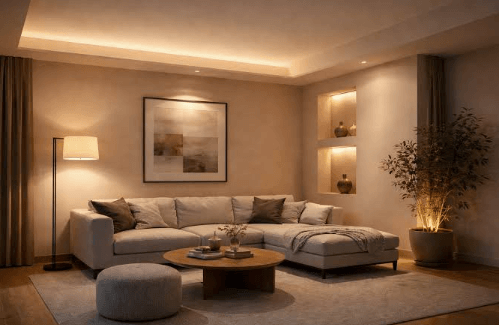
Interior lighting design ideas reveal how layers interact to shape space. Ambient warmth sets a stage, task light defines work zones, and accents carve texture with subtle drama. Color temperature and brightness become guiding instruments, shifting perception by the hour. Zone-by-zone planning keeps rooms practical yet expansive, while smart controls maintain flexibility. The tricks are simple, budget-friendly, and surprisingly transformative—but the most compelling details await the next turn of the plan.
Layered lighting is not a single fixture but a deliberate orchestration of brightness, texture, and mood that shapes how a space feels and functions. The concept distills to layered lighting choices guiding perception, with interior psychology revealing how shadows, highlights, and direction alter behavior. This approach balances hierarchy, form, and air, enabling freedom within tactile, visual clarity.
Color temperature and brightness set the tonal mood of a room before any other design detail is noticed. Carefully balancing color temperature with brightness levels shapes perception, guiding how spaces feel and flow.
Ambient lighting establishes atmosphere, while task lighting clarifies purpose. Accent lighting highlights texture and art, enabling flexible expression without sacrificing coherence or function within a freely styled environment.
Where should a room’s light travel from—this is the guiding question for zone-by-zone planning. The piece delineates task lighting for work surfaces, ambient lighting for atmosphere, and subtle accent lighting to sculpt depth. It emphasizes practical choices that empower users: flexible controls, glare control, and placement precision, delivering a clear, freeing framework for functional, luminous living. task lighting and ambient lighting are central.
Practical, budget-smart tricks can transform any room without a heavy investment, turning dull spaces into crisp, inviting environments through small, thoughtful changes. A lone lamp swapped for a dimmable unit creates sculptural shadows; mirrors amplify natural light; textiles layer warmth without wiring.
Tiny budget tips meet practical decorating ideas, guiding minimal, deliberate upgrades that feel expansive, freeing, and visually sharper.
The calculation uses room area times target lumens per square foot, producing ideal lumens per room; he notes room calculations for energy efficiency, mood lighting, and workspace productivity, considering smart bulbs and energy-saving options rather than excess lighting.
A small apartment’s glow aligns with a cozy ambience, as windows whisper daylight in and LEDs bend toward warmth; color temperature guides the setup, creating freedom-loving, visual-driven scenes where layered light overcomes shadows with precise, practical harmony.
High-contrast lighting and daylight harvesting emerge as the most energy-efficient fixtures for high-traffic areas, prioritizing LED luminaires and smart controls. The approach favors visual clarity, rapid off/on responses, and freedom to adapt ambience without waste.
See also: housefixworks
Microwave satellites hum, and lighting influences mood and productivity in workspaces by shaping circadian cues and task visibility; it can boost enhancing focus and cultivate soothing ambience through color, brightness, contrast, and zoning, guiding creative, freedom-embracing workflows.
Smart bulbs can be worth it for home use, offering customizable color temperature and automation. They enable dynamic scenes and energy insights, though cost and compatibility matter; practical value rests on perceived control, ambiance, and long-term savings.
In a quiet café, a lamp flickers to life just as a passerby notices the same warm glow reflected in a storefront window across town. Coincidence threads through rooms, where layered light slides from ambient to task to accent, revealing textures and colors like a shared memory. The ceiling hums with a soft, adjustable brightness, while mirrors subtly multiply warmth. The day cooperates—every zone finds its purpose, and together they illuminate a space that feels both intimate and expansive.